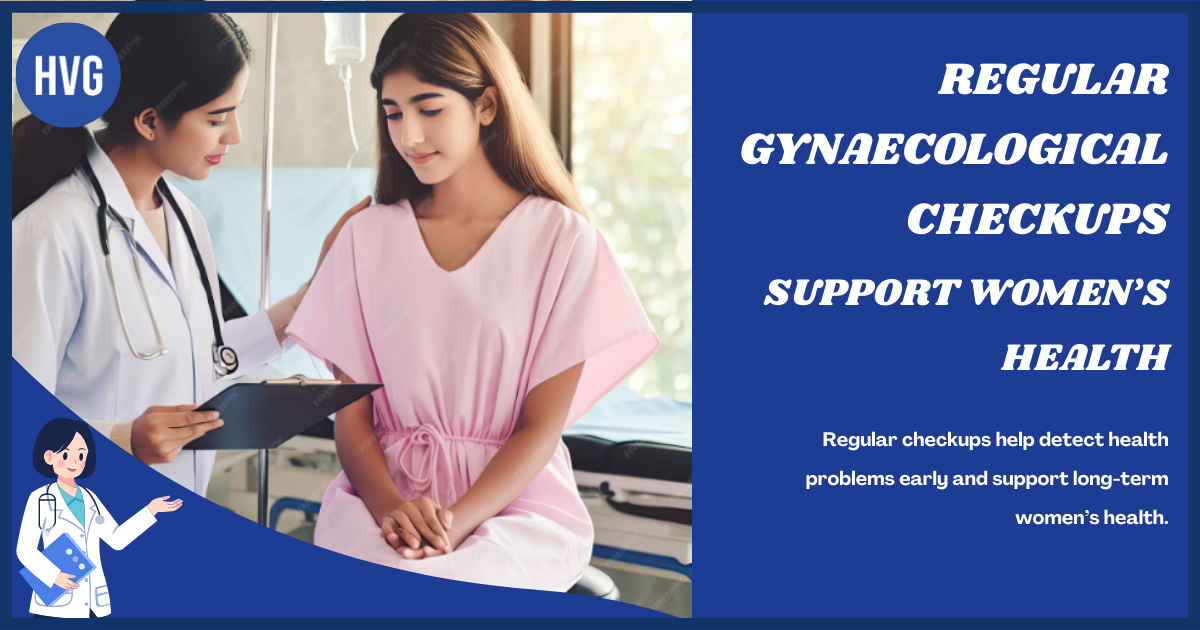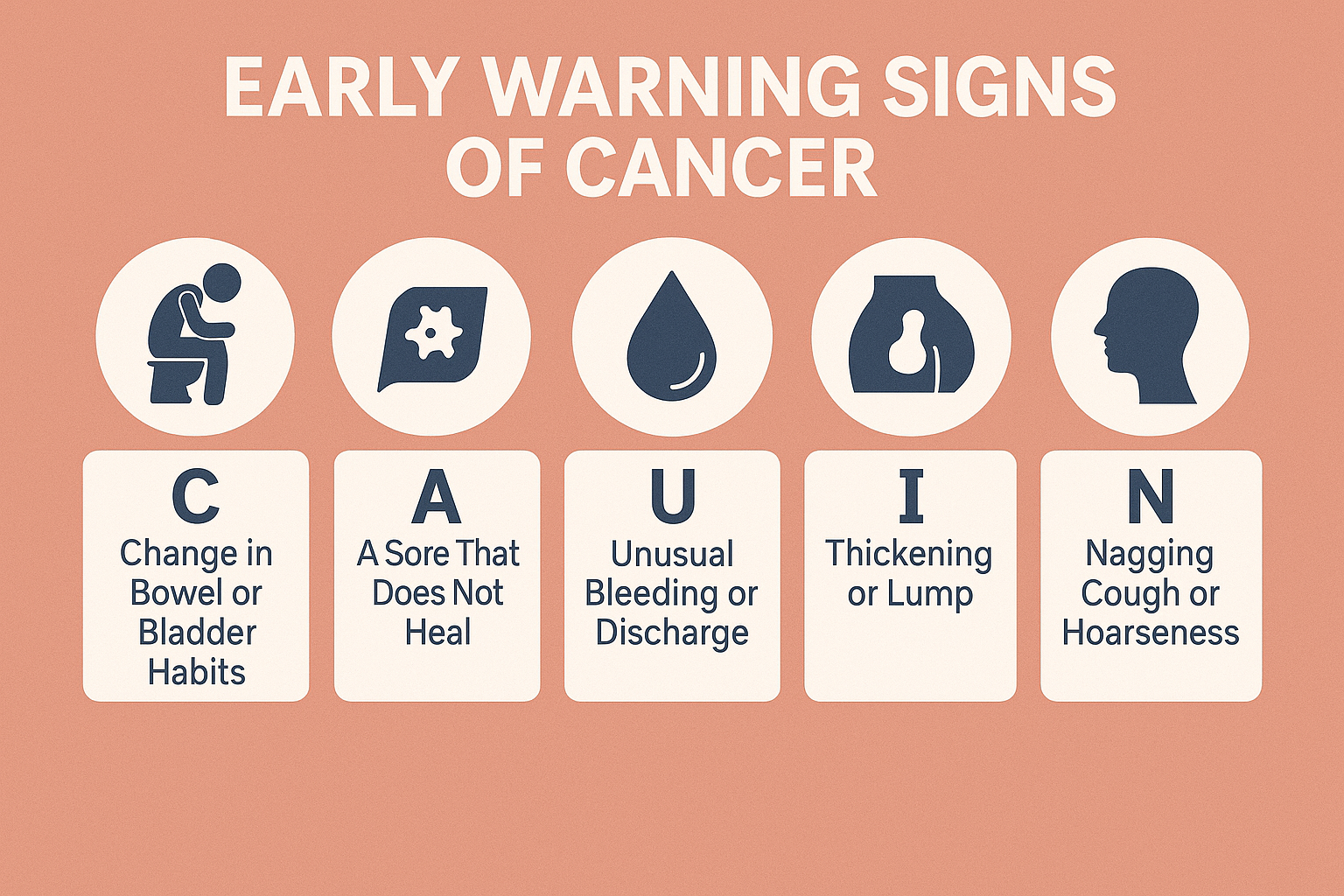
Hi everyone, I am Priya, I share simple and helpful ideas to protect women health on Health Voyage Global. Today I am here with the new topic Some Signs you should never ignore. If you look these signs, you should visit a gynaecologist to protect yourself and your Loved ones.
Your first visit may feel a little uncomfortable, and that is absolutely normal. But early check-ups can help you to find out problems before they become serious. When you understand the signs you should visit a gynaecologist, you can take the right step at the right time.
A gynaecologist helps you to understand your periods, hormone health and your body changes. They also treat problems related to the reproductive system. You can speak openly, ask questions, and get the right guidance without fear.
Common Signs You Should Visit a Gynaecologist for Women’s Health
The signs listed below will help you know when it is time to visit a gynaecologist. Taking action early can protect your reproductive health and improve your overall well-being.
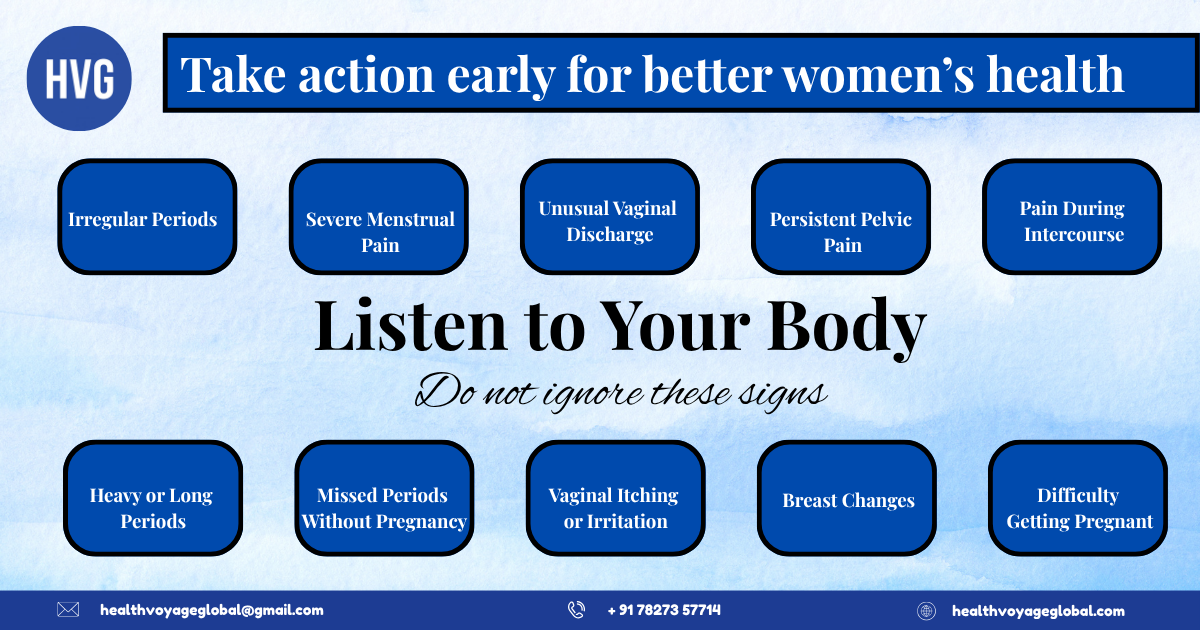
Irregular Periods: An Early Sign You Should Visit a Gynaecologist
Menstrual Cycles can be different from woman to woman. Some women have regular pattern means their period come at same time each month and flow is also similar.
What to Look For:
- Missed periods
- Irregular cycles
- Very short or very long cycles
- Heavy bleeding or very light spotting
These are the signs of hormonal imbalance or other health issues. It can be one of the signs you should visit gynaecologist. A Doctor can check your symptoms and find the cause. Getting help early is the best way to cure yourself from bigger problem.
Severe Menstrual Pain
Mild cramps during periods are completely normal and usually not a cause for concern. In most cases, they can be easily managed with proper rest, a warm compress, or simple pain relief methods.
We have to look for a gynaecologist if we feel sudden or severe abdominal or pelvic pain. We should also seek help if the pain does not go away. It may be linked to conditions like ovarian cysts or endometriosis. It can also be caused by pelvic inflammatory disease.
Unusual vaginal discharge
Vaginal discharge is a normal thing for a woman. It may be change in amount, color, and texture during the month. Small changes are usually normal. But sudden or unusual changes may be a sign of a problem.
When it comes to vaginal discharge, pay attention to colour change, odour or consistency. Typically, healthy discharge is clear or white and has a mild scent. If you notice a change in vaginal discharge such as a yellow or green hue or if it becomes thicker it.
This might be a bacterial infection, a yeast infection, or an STI.
Early treatment helps prevent discomfort and keeps the problem from getting worse. It also helps keep your reproductive health healthy.
Persistent Pelvic Pain
Pelvic pain that lasts for many days or keeps coming back can be a sign of problems like ovarian cysts, infections, or endometriosis. The pain may feel dull, sharp, or like a throbbing pain, and it can happen at different times of the month.
You should not ignore this kind of pain. A gynecologist can check you and may suggest tests like an ultrasound to find the cause. Finding the problem early can help you manage it better. This will help you control your pain and keep your reproductive health safe in the future.
Pain During Intercourse
Pain or discomfort during sex also called dyspareunia. It is not something that you have to suffer in silence. It can be caused by dryness, infections, fibroids, or stress.
If you have this problem, see a trusted gynaecologist. Getting the right care can help you feel better and stay healthy. Getting the right care is important to help you feel better and stay healthy.
Heavy or long periods:
If you notice spotting that feels unusual for you, do not ignore it. Heavy bleeding, bleeding between periods, or bleeding after menopause are also important signs.
These may be signs of hormone problems, fibroids, or changes in the uterus or cervix. Do not ignore these signs.
Missed Periods Without Pregnancy
If your periods got missed often it may be a sign of a more serious problem. This can include hormonal imbalance, thyroid problems, and other conditions that affect the reproductive system.
A gynaecologist could assist in finding the cause. They could recommend simple tests to check your hormone levels and your general condition. Early intervention could ensure that your menstrual cycles are regular, and your reproductive system is functioning well.
Vaginal Itching or Irritation
Vaginal itching or irritation is usually a sign that something is not right. It could result from various reasons, including infections and other health problems.
If the itching is persistent, causes discomfort or comes with unusual discharge or odor, it is one of the signs you should visit a gynaecologist. Ignoring it can make the problem worse.
Breast Changes
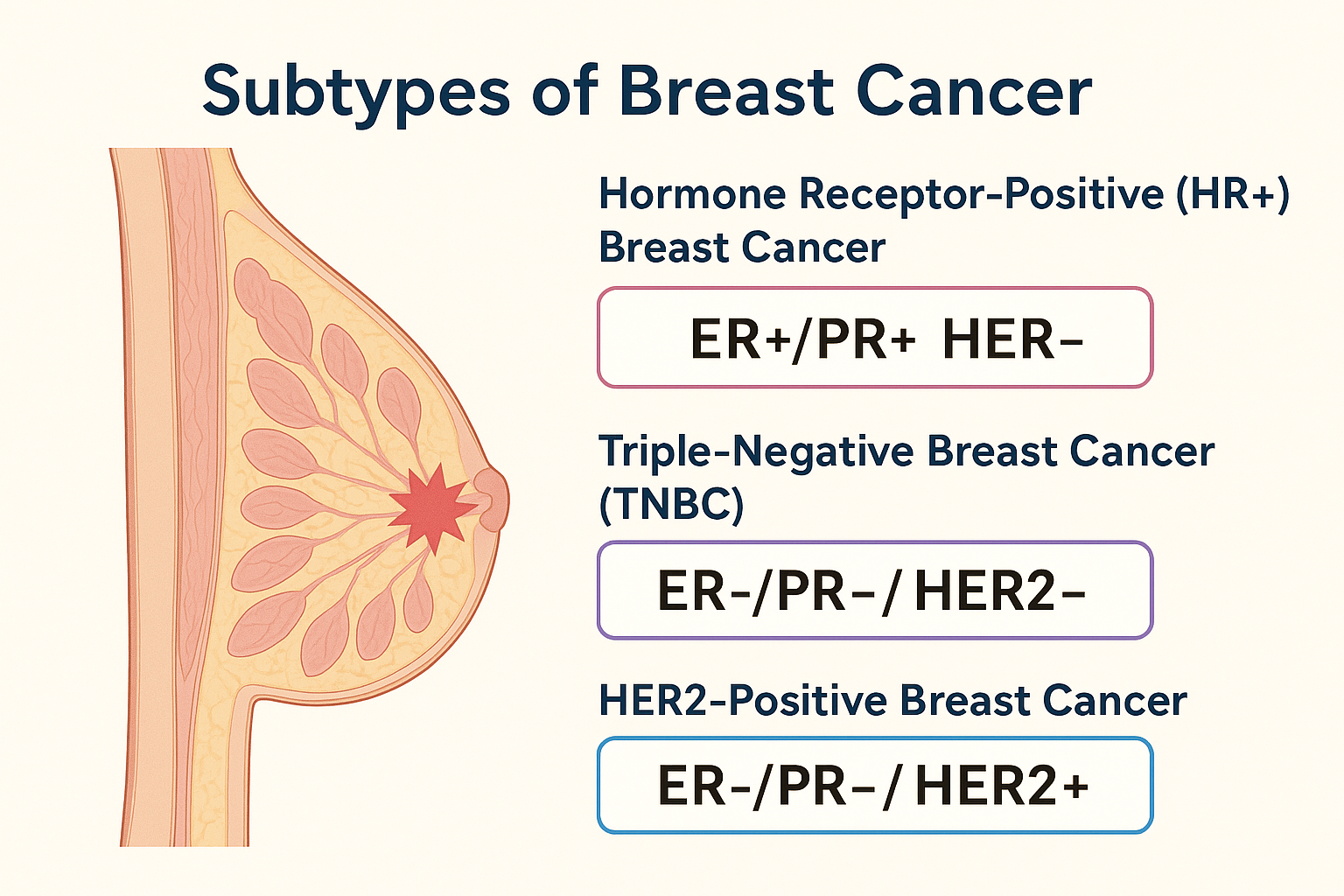
Changes in your breasts should never be ignored. This can include lumps, swelling, unusual pain, dimpling, or changes in skin texture. These may be signs of infections, hormonal changes, or other health issues.
One of the signs that you need to see a gynecologist is if you observe some unusual changes. Early detection will also provide better treatment options.
You can be checked by a gynecologist. They may recommend some tests such as an ultrasound or a mammogram. They will also suggest you next steps.
Difficulty Getting Pregnant
If you have been trying to get pregnant without success, it may be a sign that something is wrong. Fertility problems can happen from hormone changes, ovulation problems, or other issues in the reproductive system.
Difficulty getting pregnant is one of the signs you should visit a gynaecologist. Seeing a doctor early can help find the cause and improve your chances of conceiving.
A gynaecologist may do some tests and check your hormones. They can recommend treatment or easy lifestyle changes. Getting help early can improve your chances and keep your reproductive health healthy.
Conclusion
Your reproductive health is an important part of your overall health. Do not ignore warning signs or delay care. This can result in issues that impact your long-term health, comfort, and fertility. Listen to your body and take action early. Good health is not just about living. It is about living well.
Disclaimer- This article is only for informational purposes, provide simple and helpful content. We do not provide medical advice. If you have any symptoms or health concerns, please get the doctor appointment. Getting the right medical advice at the right time is important for your health and safety.

.png)
.png)
.png)